When traveling, I sometimes indulge in “dark tourism” out of my great curiosity about the effects of wars and authoritarian governments. When I first visited Prague a few weeks after 9/11, I ventured out to see Lidice, the site of an infamous massacre that the SS perpetrated on a small village on June 10, 1942 following the assassination of SS Reichsprotektor and Hitler protégé Reinhard Heinrich at the end of May. His assassination was planned by British intelligence, who trained Czech operatives in covert operations and parachuted two of them into the Prague region. Operation Anthropoid was the name of the venture. The 2015 movie Anthropoid is worth watching.
Hitler was enraged by the loss of Heydrich and ordered that any town suspected of harboring the assassins or accomplices be razed to the ground and its inhabitants killed. The SS fingered the village of Lidice for annihilation, even though there was no evidence that the townspeople had hidden any of the operatives.
On June 10 the SS descended on the town of 503. All men and boys over the age of 15 were shot by firing squads. Several men who were away that day were later arrested and executed. 187 women and 88 children were sent to concentration camps. The women were placed at Ravensbrück. 83 of the children were gassed at Chełmno. Only a few survived the war.
The SS then blew up the town’s buildings, killed all the animals and plowed the fields under, literally wiping the village off the face of the earth. The well publicized reprisal caused an uproar in the Allied countries.
This afternoon, the site was lushly green and pleasant. There were no tourists. I was the only visitor to the museum, which started with a ten-minute film. Afterwards I toured the exhibit, which featured photographs of many of the victims from early 1942 before the massacre. The following pics are from the museum and adjoining grounds.


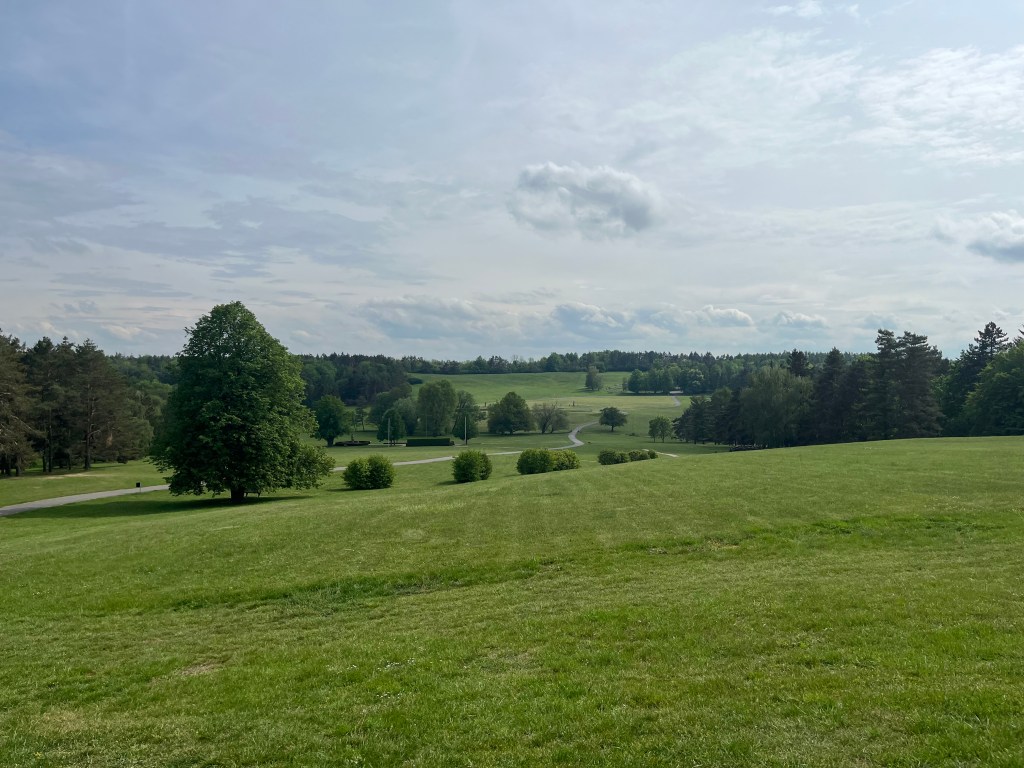
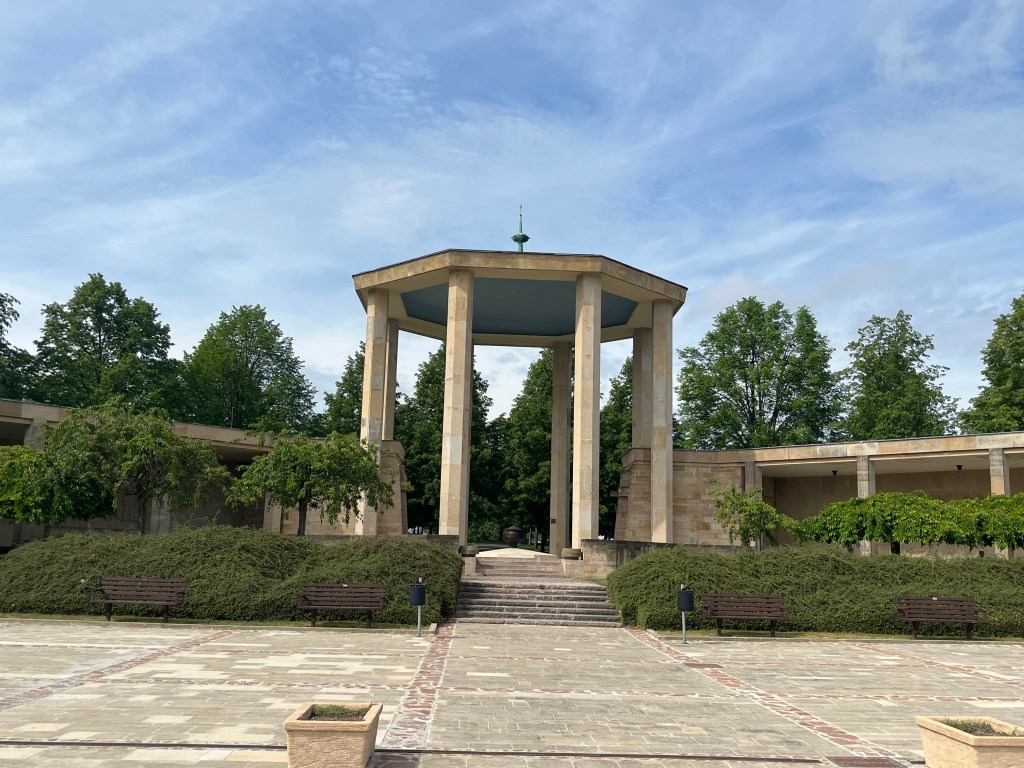
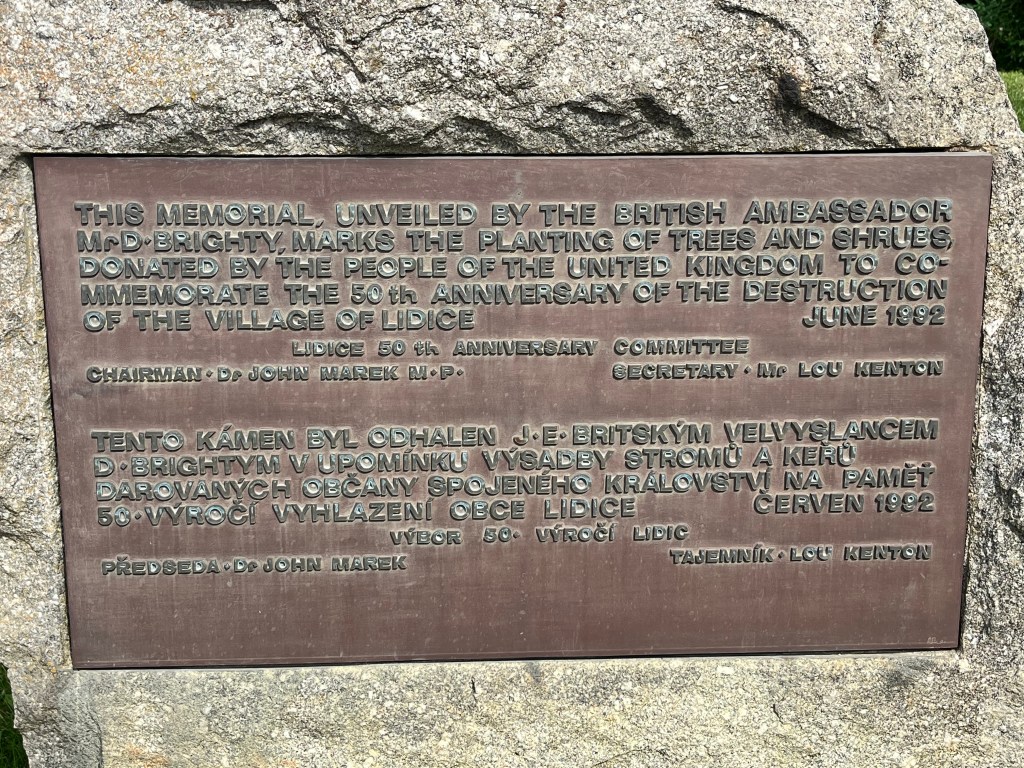


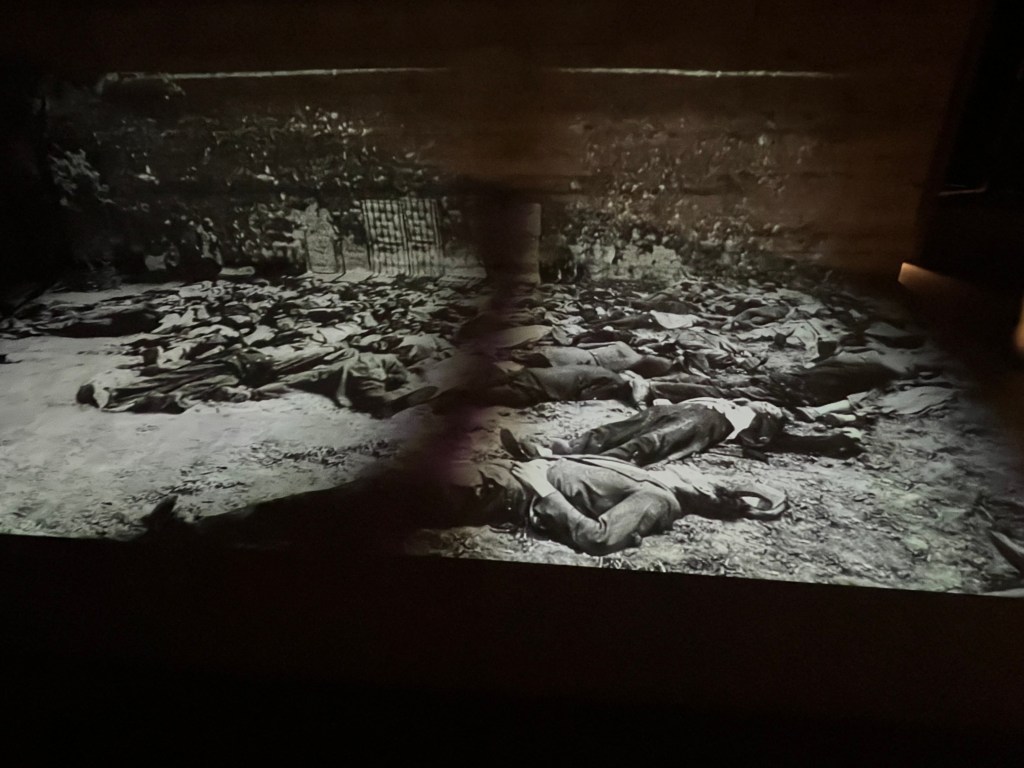
After the museum visit, I took a long walk through the same memorial fields that I’d taken in October 2001. Again, except for two local couples walking their dogs, I was the only visitor. The memorial statue to the children was heart-rending and emotional, just as it had been 23 years ago.
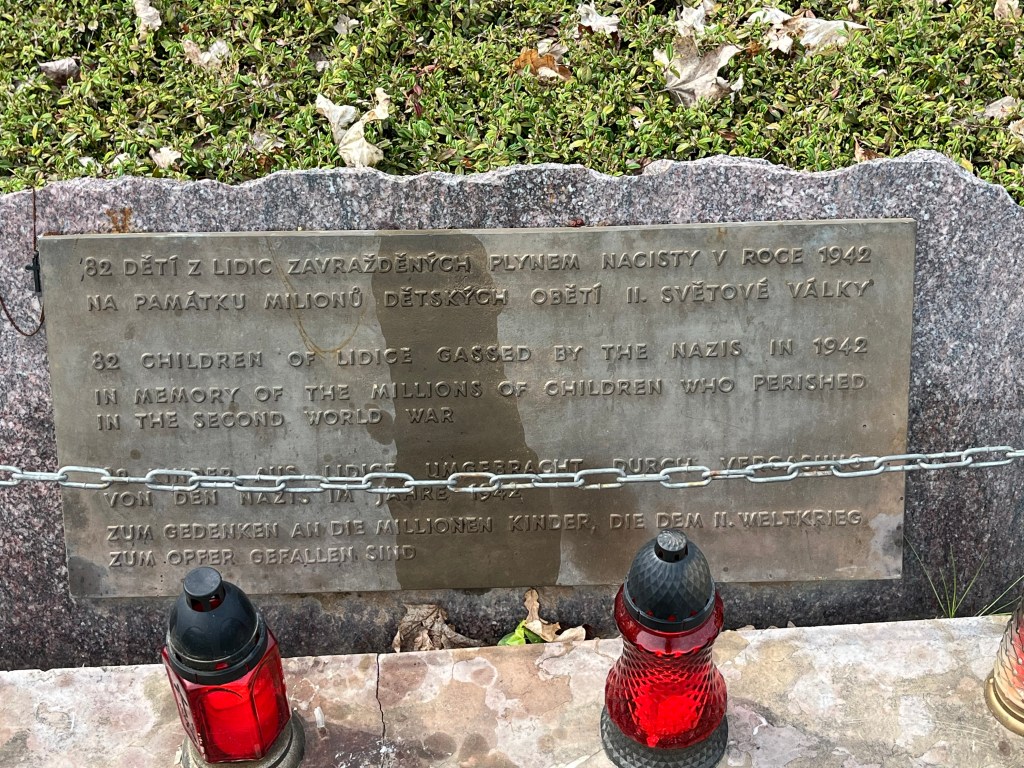
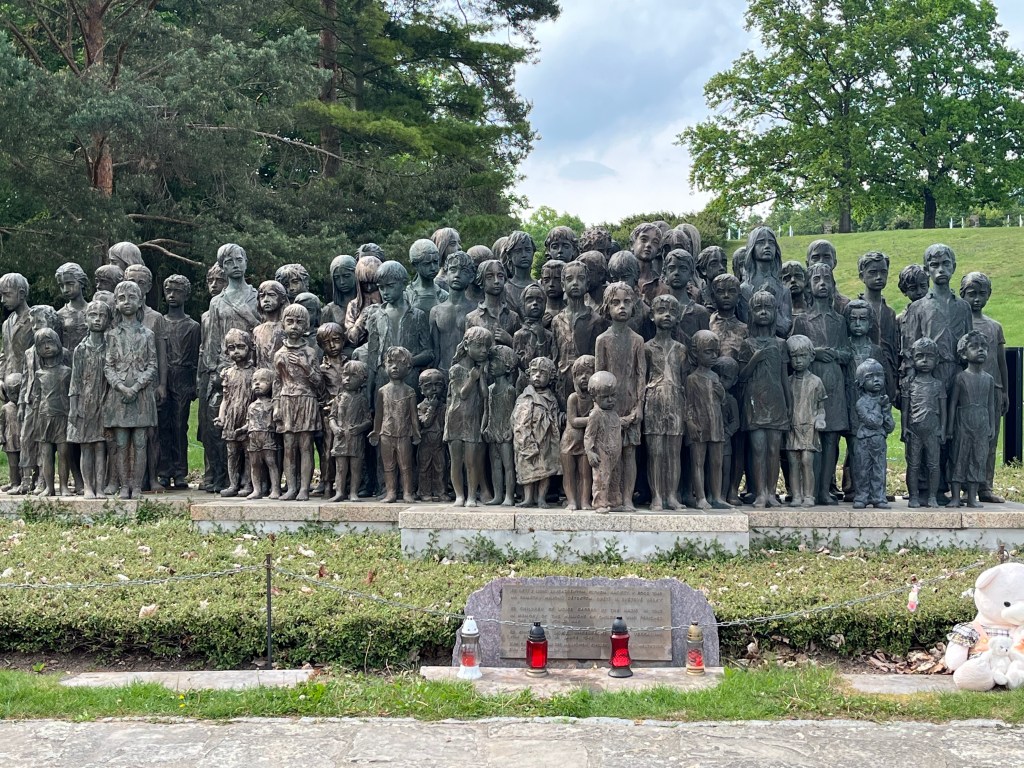


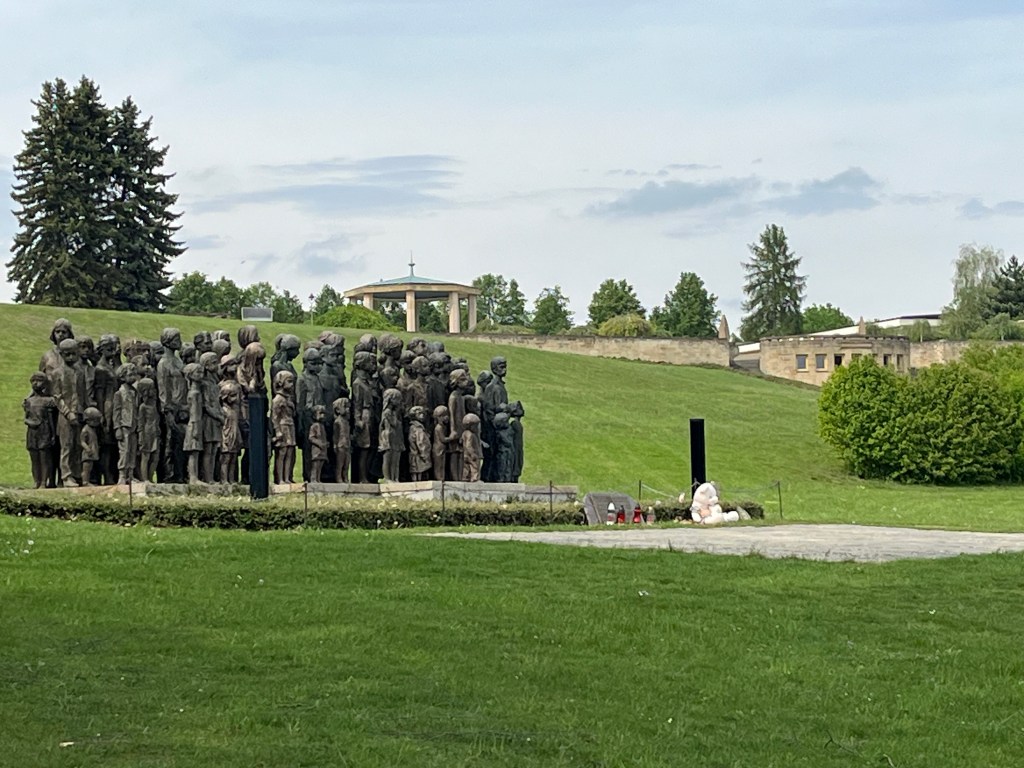
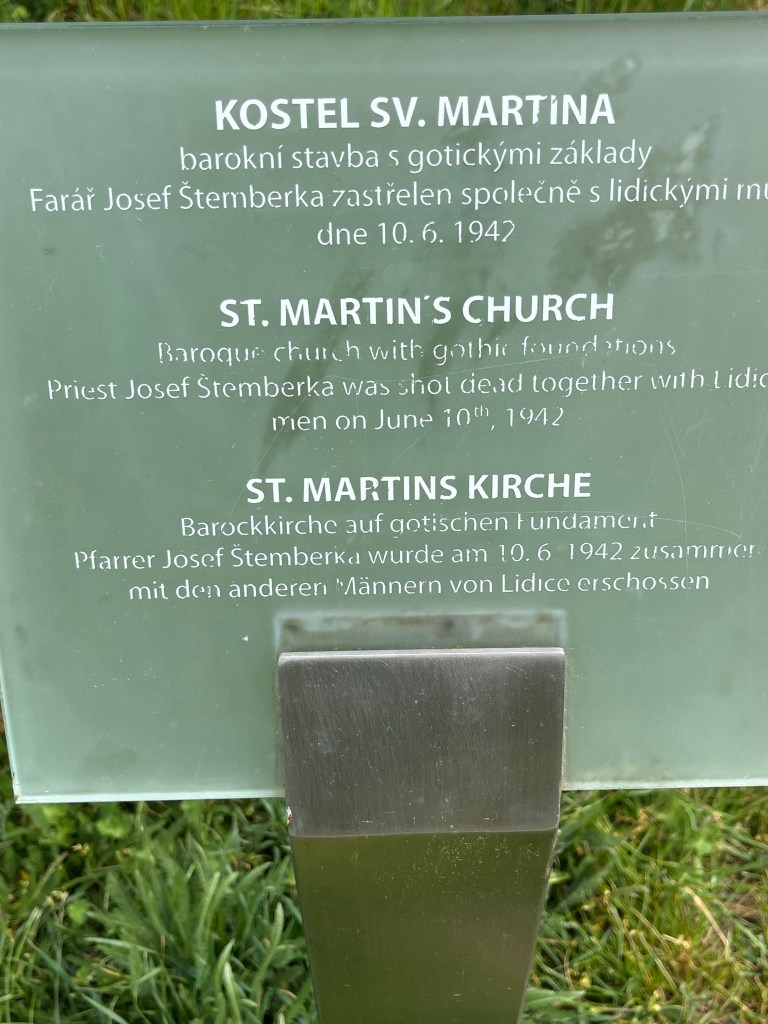
Next, I walked to the site of the village church, a memorial at the burial ground of the village’s murdered men, and then to the only remains of one of the village houses.

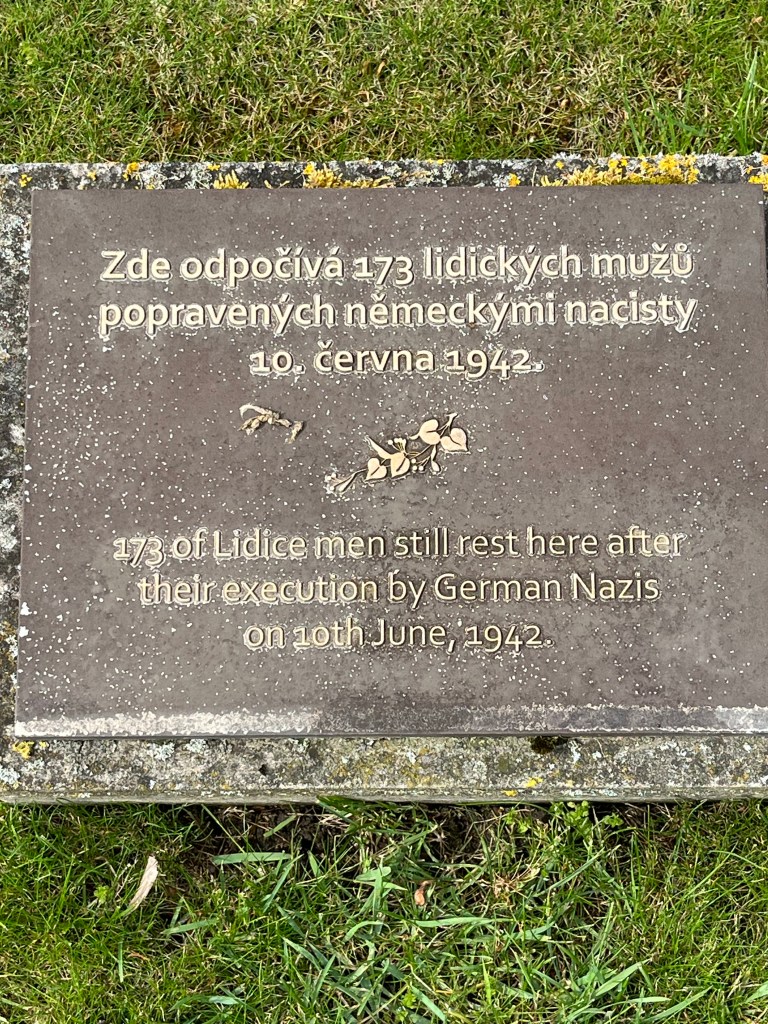




For most, foreign travel is about enjoying new cities and delighting in other cultures. In my 16 trips to Europe, I also wanted to encounter the darker side of history, of the terrible inhumanity that has occurred in the past and which still continues. I was deeply moved by this visit to an otherwise bucolic countryside. After viewing the children’s memorial, I had to walk into the woods and dry my eyes. I shudder just writing about it.
 Curated Carlos